Veedio for Business
Realtor Intro Video Maker
Start posting real videos about your business and keep them going out on autopilot.
Who is on camera
- You, from a photoYour own face
- PresenterEmilyOn a sofa
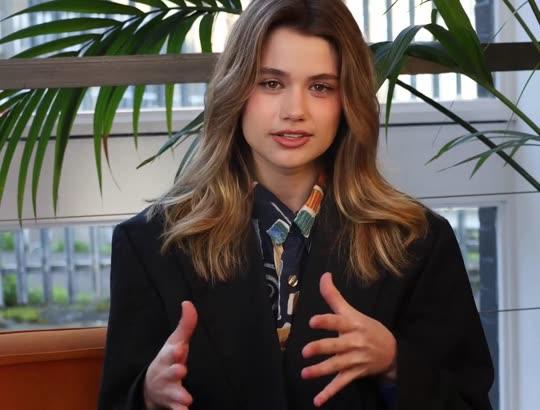
- PresenterEmily, seatedOn a sofa, side-on

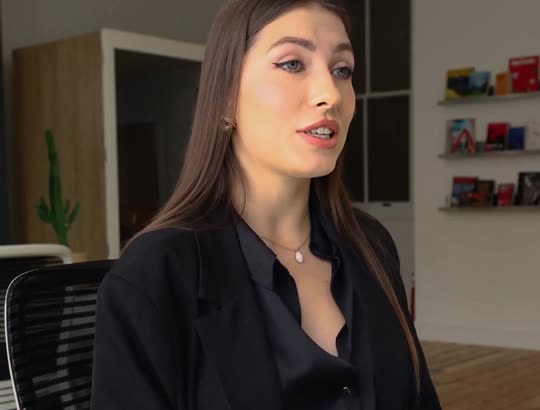
- PresenterElenaAt a desk
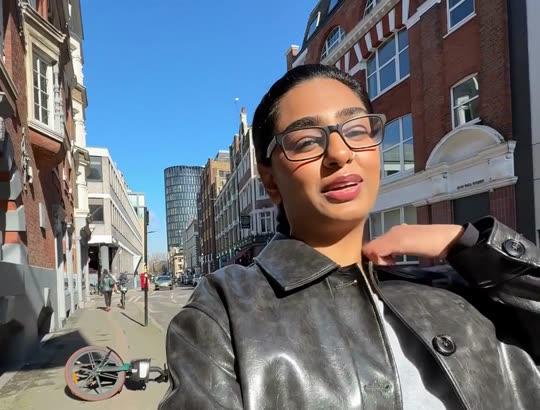
- PresenterAishaOutdoors, walking
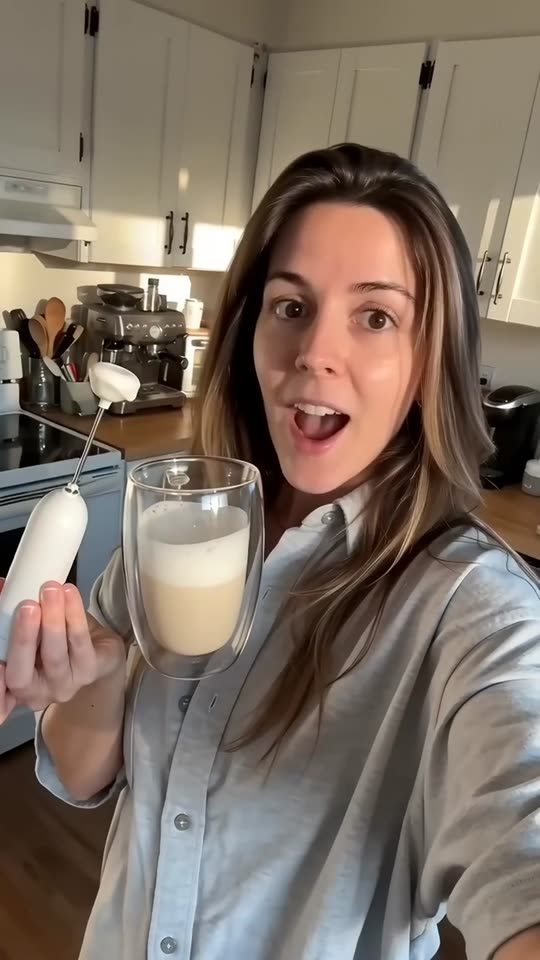
- UGCWoman at homeBright home kitchen
- UGCMan in his carParked car

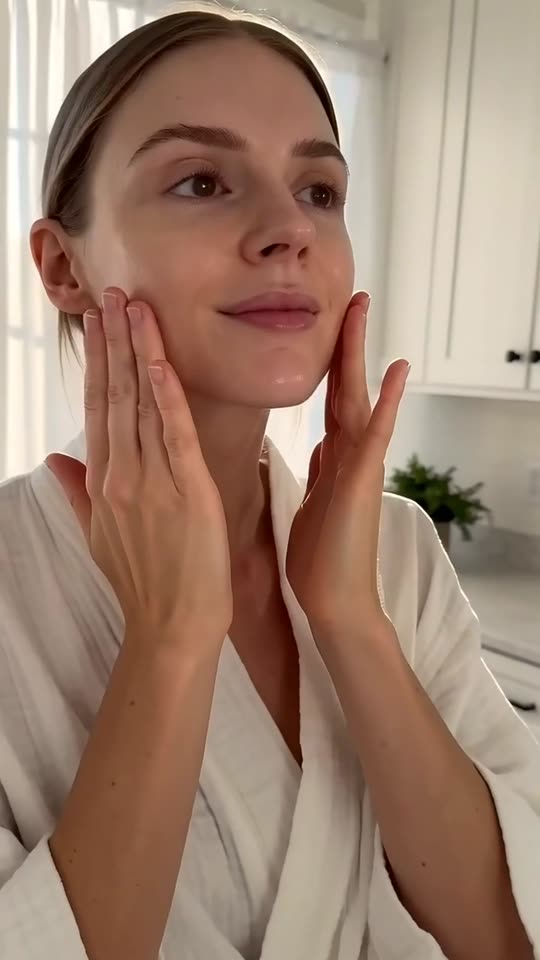
- UGCMorning routineBathroom, morning light
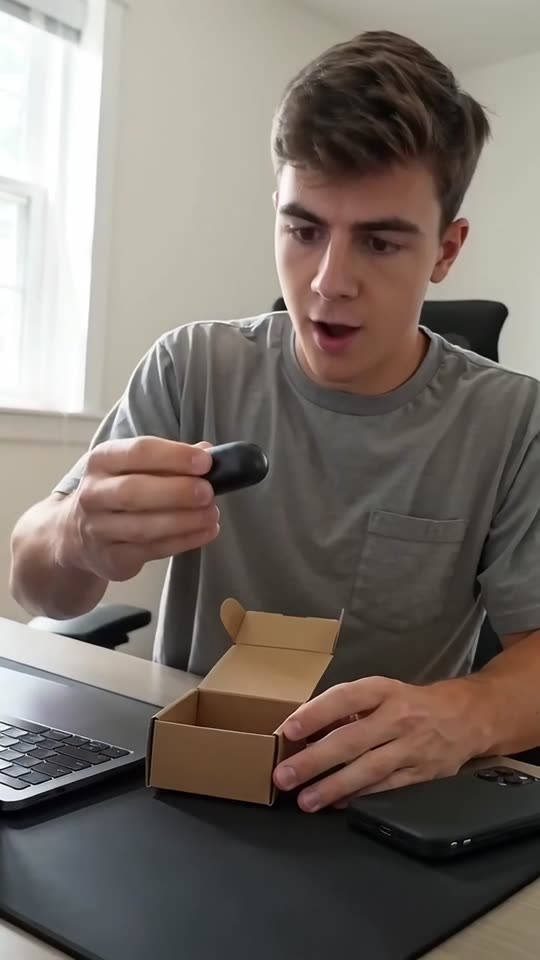
- UGCAt the deskHome desk
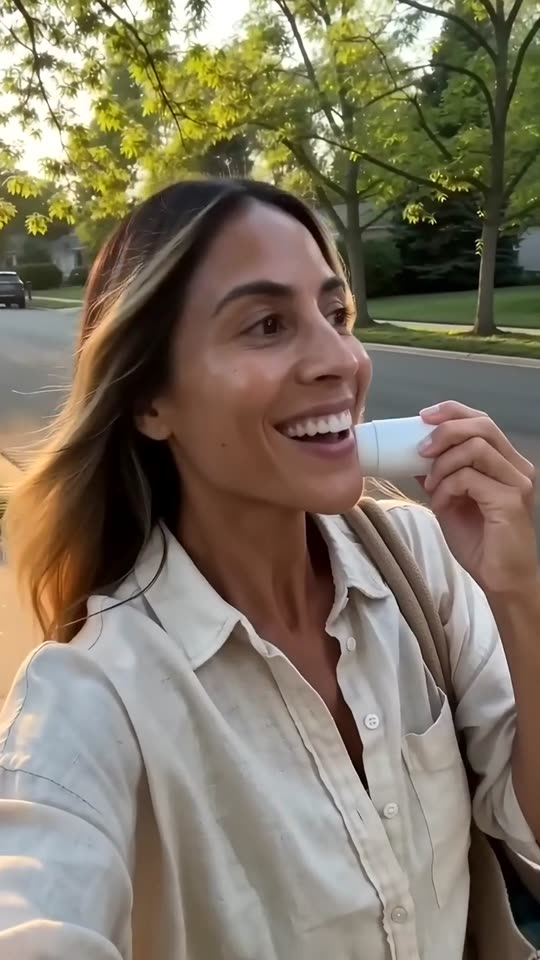
- UGCOutdoorsSunny street
- UGCOn the couchLiving-room couch

- Creator ads from Brand, $99/month
Made with Veedio · Real estate
“Three bedrooms, a south-facing garden, and wait until you see this kitchen.”
How it works
Step 1
Type who you are, in true facts
Your name, brokerage, area, how long you have been licensed and how you work. Only what is true; nothing is added.
Step 2
Read it aloud once
The first line says who you are and where; each line is short enough to say to camera in one breath.
Step 3
Film it, or use a presenter from your photo
Read the script to your phone, or open it in the composer and pick a presenter made from your own photo.
Where to start
Pick one and it opens with the idea filled in. Change the words, then make it.
- Intro for Dana Kim, agent with Harbor Realty in Tacoma: licensed since 2019, grew up in the North End, I work with first-time buyers and downsizers, I answer texts the same day
- Intro for a new agent: I'm Luis Ortega with Summit Homes in Colorado Springs, licensed this year after ten years as a contractor, so I read a house's bones, call or text 719-555-0164
- Team intro: we're the Patel Group at Keystone Realty in Edison, three agents, one for buyers, one for sellers, one for rentals, meet us at the link
Pricing
Plans that grow with you
Creators on camera on Brand, Growth and Scale. Cancel any time.
Brand
$99/month
About 20 product ads a month, for one brand testing what sells.
- 3,000 credits a month
- Presenter and UGC creator ads
- 3 Auto-Mode workers for topic and feed videos
- 5 cloned voices
Growth
Recommended$199/month
About 45 product ads a month: fresh creatives every week across your channels.
- 6,200 credits a month
- Presenter and UGC creator ads
- 6 Auto-Mode workers for topic and feed videos
- 10 cloned voices
Scale
$399/month
About 90 product ads a month, for several product lines, brands or clients.
- 12,500 credits a month
- Presenter and UGC creator ads
- 15 Auto-Mode workers for topic and feed videos
- 25 cloned voices
Questions
Questions about the Realtor Intro Video Maker
Can the intro say I am a top agent?
Only if you type the ranking and its source and it is true. The brief never adds a ranking, award, sales volume or count of homes sold on its own, because those are the first claims a seller checks.
Do I have to be on camera?
No. Read it to your phone, or use a presenter made from your own photo. On Veedio’s business plans, and on Pro and Studio, a presenter scene puts a lifelike AI presenter on screen speaking your script, lip-synced to the voice you picked — one from the roster, or one made from a photo of you.
Can it describe the neighbourhoods I serve?
By their features and your own connection to them, never by who lives there. The Fair Housing Act makes it unlawful to make, print or publish any notice, statement or advertisement about the sale or rental of a home that indicates a preference, limitation or discrimination based on race, color, religion, sex, handicap, familial status or national origin.
Where should I use the intro?
Pinned to your Instagram or TikTok profile, on your website’s about page, at the start of a listing presentation, or in the first message to a new lead. The 9:16 render with burned-in captions works in all of them.
Can I post it from Veedio?
Connect TikTok, Instagram and YouTube once and publish to TikTok, Reels and Shorts from the app, on every plan. One account each on TikTok, Instagram and YouTube, three at most (Mini connects one).
What does it cost?
Plans are monthly: Mini $7 (200 credits), Starter $19 (600 credits), Pro $49 (2,000 credits), Studio $149 (7,500 credits). A five-scene short in pictures costs 13 credits; with AI motion in every scene it costs 138. You see the price before you generate, and the first payment on any plan has a 7-day money-back guarantee. Starter ($19 a month, 600 credits) covers about 46 five-scene shorts in pictures, or about 4 with AI motion in every scene.
Can it write my team’s intro?
Yes: type each agent’s name and role as they are, and it writes one intro for the team. For one per agent, run it once per agent with their own facts.
Do I have to sign up to try this?
Yes, and pick a plan: Mini is $7 a month, and the first payment has a 7-day money-back guarantee. On a plan, the box at the top writes the script and the shot list for no credits — that is the part that decides whether the video is worth making.
Do I own the videos, and is there a watermark?
You own them, on every plan, and there is no watermark on any plan, no resolution cap and no platform withheld. Four things do follow the plan, because they are what a video costs to make: AI motion and sound effects need Starter, and a presenter avatar and the choice of video model need Pro. Everything else — every voice, every language, every caption style, every aspect ratio — is the same on all of them.
About the tool
More about the Realtor Intro Video Maker
What it makes
A short introduction video for a real estate agent — who you are, the area you know, how you work, how to reach you — written from the true facts you type, to read to camera or give to a presenter made from your photo.
Your name, brokerage, area and the true facts of your experience — years, specialties, how you work — exactly as they are. It adds no ranking, award or sales figure, and describes areas by their features.
Who you are, the area you know, how you work
An agent’s introduction is watched by someone deciding whether to send a first message, so it has to answer three questions fast: who is this, do they know my area, and what would working with them be like. The brief opens on your name and brokerage — that is the hook as well as the disclosure — then tells three short beats: where you come from or what you did before, who you work with and how, and what working with you is like. It ends on how to reach you.
Lines are short enough to say to camera in one breath, because an intro read off a long sentence looks read. Use it pinned to a profile, on a website, in a listing presentation or in a first email to a lead. For your weekly posts, the AI real estate video generator is the page; for paid seller and buyer ads, real estate video ads.
True facts, no rankings, and fair-housing rules
An intro that claims a top-agent ranking or “hundreds of families helped” is the first thing a sceptical seller checks. So the brief invents nothing: no year, designation, ranking, award, sales volume, count of homes sold or client you did not type, and no promised sale price or sale time. A new agent’s honest introduction — a previous career, a neighbourhood they grew up in — is often the stronger one.
The Fair Housing Act makes it unlawful to make, print or publish any notice, statement or advertisement about the sale or rental of a home that indicates a preference, limitation or discrimination based on race, color, religion, sex, handicap, familial status or national origin. So the brief describes the areas you serve by their features and your own connection to them, never by who lives there or should. You sign off under your licence, and this page is not legal advice.
On camera yourself, or a presenter from your headshot
The most trusted version is you, filming it on a phone and reading the script this page writes. If you would rather not, on Veedio’s business plans, and on Pro and Studio, a presenter scene puts a lifelike AI presenter on screen speaking your script, lip-synced to the voice you picked — one from the roster, or one made from a photo of you. Use only your own photo; an agent intro with someone else’s face is not an introduction.
Between your lines, the scenes illustrate the story — the harbour street, the tape measure, the office table — never a real person’s face, a listing or a yard sign, and never presented as a photograph of you or your area. Your own headshot can open the video, added in the composer.
Who it's for
New agents
An honest introduction before the first listing: the career before, the area you know, how you will work — nothing to defend later.
Established agents refreshing a profile
A pinned intro for Instagram and TikTok, rewritten in a minute when your specialty or brokerage changes.
Teams
One intro for the team and one per agent, each with their role, so a lead knows who they will talk to.
Agents who speak more than one language
The same introduction narrated and captioned in another of the composer’s languages, for the clients you serve in it.
What this replaces
Input
The usual way: A videographer, a script you write the night before, and three takes.
With Veedio: Who you are and how you work, typed in a few true sentences.
Visuals
The usual way: You on camera at the office or outside a listing.
With Veedio: You on your phone or a presenter from your photo, with generated scenes between lines.
Voiceover
The usual way: Your own voice, re-recorded whenever a line changes.
With Veedio: Your voice reading the script, or an AI voice; a changed line re-records only that line.
Captions
The usual way: Auto-captions that drift, then an hour nudging keyframes.
With Veedio: Burned in from the voice model’s own word alignment, so they land on the syllable.
Turnaround
The usual way: A half-day shoot and an edit, so the intro is made once and goes stale.
With Veedio: Minutes per version, so it changes when you do.
Changing it
The usual way: Re-record the line, re-cut the timeline, re-export, re-upload.
With Veedio: Edit the line and only its voice is re-recorded, free. A new still is free too; a new motion clip is free once per video.
| The usual way | With Veedio | |
|---|---|---|
| Input | A videographer, a script you write the night before, and three takes. | Who you are and how you work, typed in a few true sentences. |
| Visuals | You on camera at the office or outside a listing. | You on your phone or a presenter from your photo, with generated scenes between lines. |
| Voiceover | Your own voice, re-recorded whenever a line changes. | Your voice reading the script, or an AI voice; a changed line re-records only that line. |
| Captions | Auto-captions that drift, then an hour nudging keyframes. | Burned in from the voice model’s own word alignment, so they land on the syllable. |
| Turnaround | A half-day shoot and an edit, so the intro is made once and goes stale. | Minutes per version, so it changes when you do. |
| Changing it | Re-record the line, re-cut the timeline, re-export, re-upload. | Edit the line and only its voice is re-recorded, free. A new still is free too; a new motion clip is free once per video. |
How it writes your script
For an idea like “Intro for Dana Kim, agent with Harbor Realty in Tacoma: licensed since 2019, grew up in the North End, I work with first-time buyers and downsizers, I answer texts the same day”, the script writer also gets this direction:
Write a short vertical introduction video for a real estate agent or team, to be read to camera by the agent or by a presenter made from the agent's photo, for an Instagram or TikTok profile, a website, a listing presentation or a first message to a lead. The first line says who is speaking and where they work, as the user typed it, and is the hook: said with no greeting, and written to work with the sound off. Then three short beats, one or two lines each: where the agent comes from or what they did before, who they work with and how, and what working with them is like. End on how to reach them. Write in the agent's own first person, in plain spoken sentences short enough to say to camera in one breath, each readable on its own as a caption. Use only the names, brokerages, areas, licence dates, licence numbers, previous careers, specialties, team roles, languages, contact details and claims the user typed, exactly as typed; this is a true introduction. Never invent or embellish a year, a credential, a designation, a ranking such as 'top 1%', an award, a sales volume, a count of homes sold or families helped, a review, a quote or a client, and never promise a sale price, a sale time or a result. Describe areas only by their features and the agent's own connection to them, never by who lives there or should, and never mention or suggest race, colour, religion, sex, disability, family status, children or national origin. Never claim the speaker sold a home or helped a client unless the user typed it. Each scene describes one vertical frame that illustrates the line — a harbour town street at golden hour, a contractor's tape measure on a door frame, three chairs around a table in a bright office — with no specific real person's face, because the agent appears in their own scenes, no real brand, logo, yard sign or brokerage name, and no text in the frame. Never describe a generated frame as a photograph of the agent, a listing or a real neighbourhood. End with the call to action the user gave, or 'Message me any time' if they gave none.