Veedio for Business
Senior Care Video Ads
Start posting real videos about your business and keep them going out on autopilot.
Who is on camera
- You, from a photoYour own face
- PresenterEmilyOn a sofa
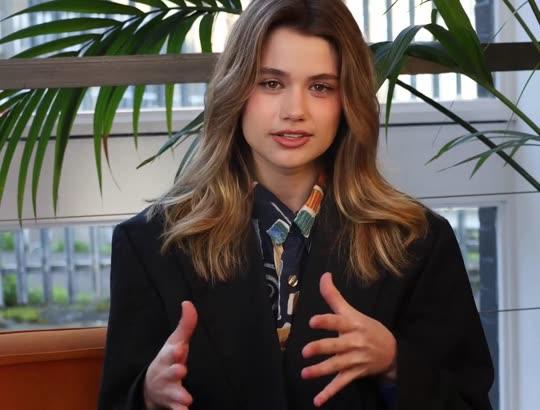
- PresenterEmily, seatedOn a sofa, side-on

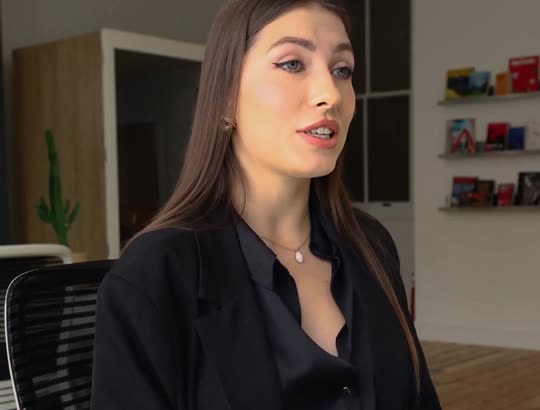
- PresenterElenaAt a desk
- PresenterAishaOutdoors, walking

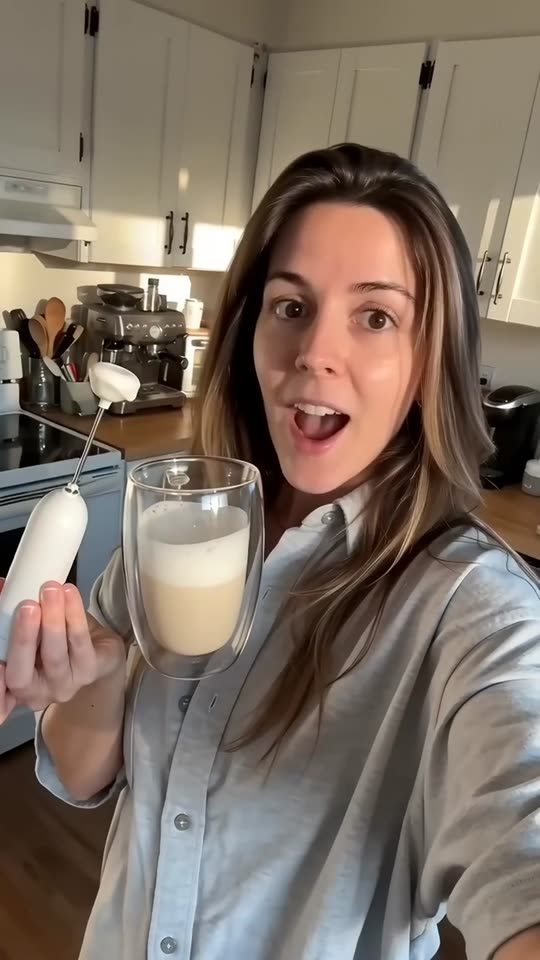
- UGCWoman at homeBright home kitchen
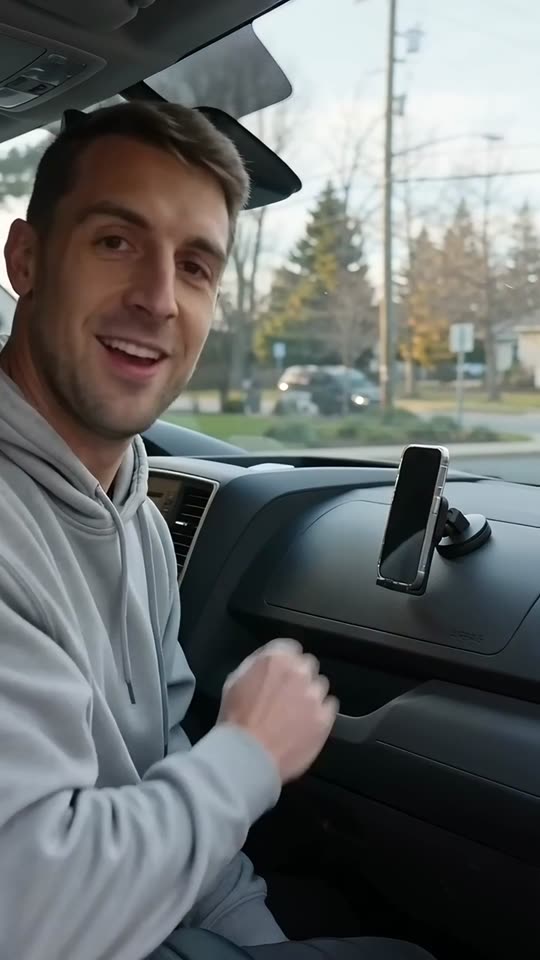
- UGCMan in his carParked car
- UGCMorning routineBathroom, morning light
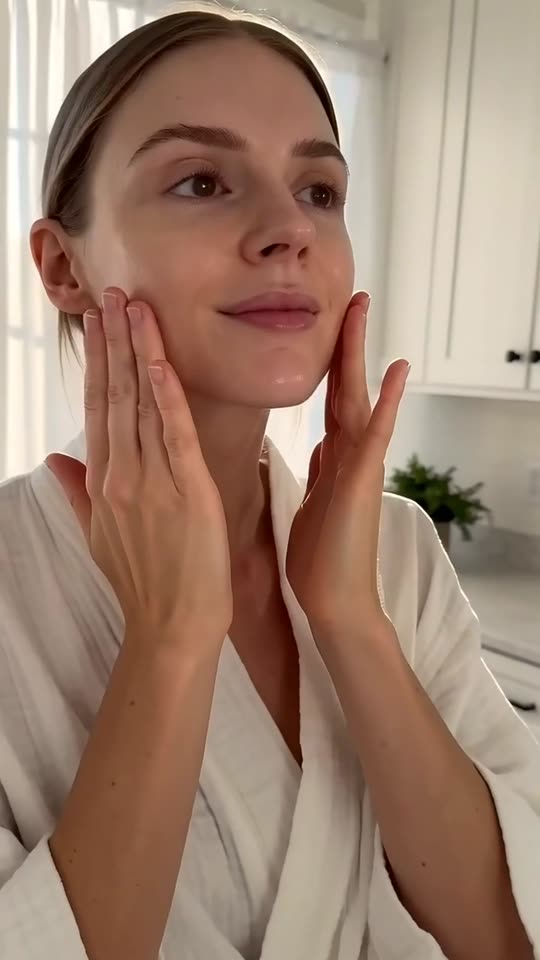
- UGCAt the deskHome desk
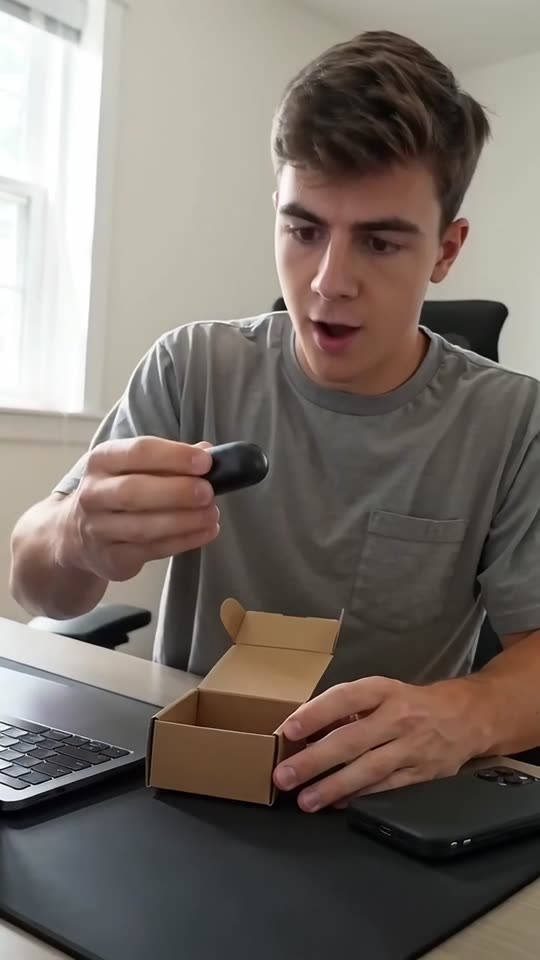
- UGCOutdoorsSunny street
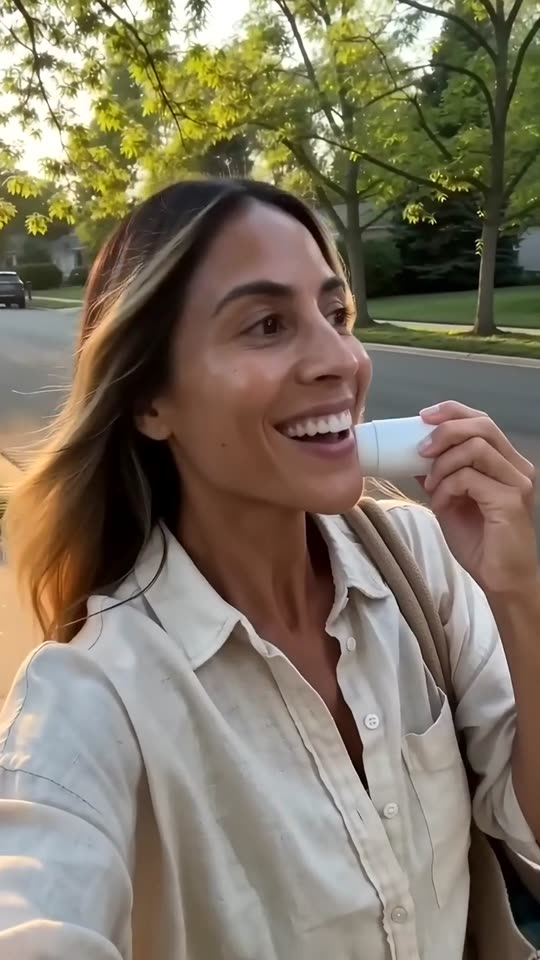
- UGCOn the couchLiving-room couch

- Creator ads from Brand, $99/month
How it works
Step 1
Type the care you provide and how it starts
A services ad, the first visit or a family’s question, with hours and payment options exactly as you offer them.
Step 2
Read it as the family will
No medical advice, no coverage line you did not type, and no promise that care prevents a fall.
Step 3
Post it or run it as an ad
Publish to TikTok, Reels and Shorts from Veedio, or download the 1080p MP4 for Ads Manager.
Where to start
Pick one and it opens with the idea filled in. Change the words, then make it.
- Services ad for Scottsdale: help with bathing, meals, medication reminders, errands and companionship, four-hour minimum visits, call 480-555-0112 for an in-home assessment
- First visit video: we meet your parent at home, talk through their day, introduce who will visit and start within the week, Columbus, call 614-555-0185
- Family question: how do I know when Mom needs help at home? Our care manager's answer: missed meals, unopened mail, a fall she did not mention. Call to talk it through
Pricing
Plans that grow with you
Creators on camera on Brand, Growth and Scale. Cancel any time.
Brand
$99/month
About 20 product ads a month, for one brand testing what sells.
- 3,000 credits a month
- Presenter and UGC creator ads
- 3 Auto-Mode workers for topic and feed videos
- 5 cloned voices
Growth
Recommended$199/month
About 45 product ads a month: fresh creatives every week across your channels.
- 6,200 credits a month
- Presenter and UGC creator ads
- 6 Auto-Mode workers for topic and feed videos
- 10 cloned voices
Scale
$399/month
About 90 product ads a month, for several product lines, brands or clients.
- 12,500 credits a month
- Presenter and UGC creator ads
- 15 Auto-Mode workers for topic and feed videos
- 25 cloned voices
Questions
Questions about the Senior Care Video Ads
Can the ad say Medicare covers our care?
Only if you type it and it is true of your services. The brief never adds a Medicare, Medicaid, insurance or VA line on its own, because a family will plan around it.
Can the video give advice about a parent’s health?
General information only. The brief never diagnoses, names a medicine or a dose, or says care prevents a fall; health content ends with calling you or the person’s doctor.
Will it show our caregivers or clients?
No. Every scene is generated and never presented as your staff or a client. A photo of a caregiver who agreed to it can open the video.
Can it help us recruit caregivers?
This page writes ads to families. For hiring, the job ad video generator writes recruitment videos from the role, the pay and the hours you type.
Can it use a family’s review?
The brief never invents a review, a star rating, a customer or a count of jobs done. To use a real review, type it word for word, with the customer’s permission, and the script reads it as a quote.
Can I run these as ads, or post them every week?
Yes. You own the videos on every plan and can use them commercially, paid ads included. There is no watermark on any plan, the export is 1080p, and the music beds are licensed for commercial use with no attribution. Connect TikTok, Instagram and YouTube once and publish to TikTok, Reels and Shorts from the app, on every plan. One account each on TikTok, Instagram and YouTube, three at most (Mini connects one).
What does it cost?
Plans are monthly: Mini $7 (200 credits), Starter $19 (600 credits), Pro $49 (2,000 credits), Studio $149 (7,500 credits). A five-scene short in pictures costs 13 credits; with AI motion in every scene it costs 138. You see the price before you generate, and the first payment on any plan has a 7-day money-back guarantee. Starter ($19 a month, 600 credits) covers about 46 five-scene shorts in pictures, or about 4 with AI motion in every scene.
Do I have to sign up to try this?
Yes, and pick a plan: Mini is $7 a month, and the first payment has a 7-day money-back guarantee. On a plan, the box at the top writes the script and the shot list for no credits — that is the part that decides whether the video is worth making.
Do I own the videos, and is there a watermark?
You own them, on every plan, and there is no watermark on any plan, no resolution cap and no platform withheld. Four things do follow the plan, because they are what a video costs to make: AI motion and sound effects need Starter, and a presenter avatar and the choice of video model need Pro. Everything else — every voice, every language, every caption style, every aspect ratio — is the same on all of them.
About the tool
More about the Senior Care Video Ads
What it makes
Captioned video ads for senior home care: the help a family can book, how care starts, what an adult child asks first, with services, hours and payment options only as you state them.
The care you provide and the hours exactly as you offer them. Medicare, Medicaid, VA or insurance lines run only as you type them, and no medical or safety claim is added.
Written for the daughter making the calls
The person who books home care is often not the person who receives it. It is a daughter, a son or a spouse, sometimes in another city, trying to work out what help exists and how it starts. The brief writes to them in one of three angles: a services ad that says what a caregiver does, a first-visit video from the assessment to the first shift, or one family question answered in your words.
The first line is the hook, said with no greeting: the missed meals, the four-hour visit, the caregiver matched within the week. One run writes one video, so each question your office hears on the phone can have its own. For hiring caregivers, the job ad video generator is the closer fit.
No medical advice, and coverage only as you state it
A family reads a home care ad looking for two answers: can you help, and who pays. So the brief keeps health content general, never diagnoses or names a medicine, and never says care prevents falls, hospital stays or decline. It says Medicare, Medicaid, long-term care insurance or VA benefits pay for your care only if you type it.
It invents no licence, nurse, caregiver screening or training claim, and no around-the-clock availability. The FTC’s advertising guide for small business says advertising must be truthful and non-deceptive, and that a company needs a reasonable basis for every claim — proof in hand before the ad runs, not after. You read every line before anything renders, and this page is not legal or medical advice.
Generated scenes with dignity, never a real client
Every scene is generated, so the caregiver and the older adults on screen are illustrations, never your staff or a client. The brief keeps every older person dressed, comfortable and doing something ordinary, tea at the kitchen table, a walk on a garden path, with no hospital bed and no one shown in distress.
One photo of your own office, or of a caregiver who agreed to it, can open the video, added in the composer. The brief never invents a review, a star rating, a customer or a count of jobs done. To use a real review, type it word for word, with the customer’s permission, and the script reads it as a quote.
Who it's for
Non-medical home care agencies
Services and first-visit ads written to the adult child, with hours and minimums as you offer them.
Home health agencies
Ads that say plainly which services you provide, each clinical line in your words.
Franchise owners
The same ad with your territory and number, one run per territory.
Care managers
Family questions answered in a short video, from the calls you already take.
What this replaces
Input
The usual way: Film a client at home, with their consent and their family’s.
With Veedio: The care you provide and how it starts, typed in one sentence.
Visuals
The usual way: Footage of real clients, which privacy makes hard to post.
With Veedio: Generated scenes with dignity; one photo of your own office can open it.
Voiceover
The usual way: Book a VO artist, or record yourself and cut the breaths out.
With Veedio: Five ElevenLabs voices, re-recorded free whenever the line changes.
Captions
The usual way: Typed in an editor, if anyone has time.
With Veedio: Every word burned in as it is spoken, for families watching with the sound off.
Turnaround
The usual way: Made once and run for years.
With Veedio: Minutes per video, so each service and question gets one.
Changing it
The usual way: Re-record the line, re-cut the timeline, re-export, re-upload.
With Veedio: Edit the line and only its voice is re-recorded, free. A new still is free too; a new motion clip is free once per video.
| The usual way | With Veedio | |
|---|---|---|
| Input | Film a client at home, with their consent and their family’s. | The care you provide and how it starts, typed in one sentence. |
| Visuals | Footage of real clients, which privacy makes hard to post. | Generated scenes with dignity; one photo of your own office can open it. |
| Voiceover | Book a VO artist, or record yourself and cut the breaths out. | Five ElevenLabs voices, re-recorded free whenever the line changes. |
| Captions | Typed in an editor, if anyone has time. | Every word burned in as it is spoken, for families watching with the sound off. |
| Turnaround | Made once and run for years. | Minutes per video, so each service and question gets one. |
| Changing it | Re-record the line, re-cut the timeline, re-export, re-upload. | Edit the line and only its voice is re-recorded, free. A new still is free too; a new motion clip is free once per video. |
How it writes your script
For an idea like “Services ad for Scottsdale: help with bathing, meals, medication reminders, errands and companionship, four-hour minimum visits, call 480-555-0112 for an in-home assessment”, the script writer also gets this direction:
Write a short vertical video ad for a home care or home health agency, for Facebook, Instagram, YouTube Shorts and TikTok, addressed to the adult child or spouse arranging care. Work out from the user's words which angle this is and write only that one: a services ad (the help the agency provides, one kind per scene, the hours and how to book an assessment), a first-visit video (how care starts, step by step, from the first call to the first shift), or a family-question video (one question families ask, answered only with the answer the user typed). If the user names none, write the services ad. The first line is the hook: it works with the sound off and without context, and it is said in the first scene with no greeting before it. Write every line so it reads on its own as a caption. Keep health content general: never diagnose, never give medical advice, never name a medicine or a dose, and never say the care prevents falls, hospital stays or decline. Never say Medicare, Medicaid, long-term care insurance or VA benefits pay for the care unless the user typed it. Use only the services, care types, hours, minimums, areas, rates, payment options, caregiver screening and training statements, licence numbers, staff titles and claims the user typed, exactly as typed. Never invent a rate, a coverage line, a licence, a nurse or medical service, a screening or training claim, around-the-clock availability, a review, a rating, a count of clients or caregivers or years in business. Never claim the speaker cared for a particular person unless the user typed it; write as the agency speaking to the family. Each scene describes one vertical frame of a generic home care moment like the one described: a caregiver and an older woman laughing over cups of tea at a kitchen table seen from the side, an older man's hand on a walker in a sunny hallway with a caregiver's hand at his elbow, a meal being plated in a home kitchen, a caregiver and an older man walking slowly on a garden path, with every older person dressed, comfortable and treated with dignity, no hospital bed, no one in pain or distress, no real brand, logo or uniform badge, and no text in the frame. Never describe a generated frame as a photograph of the agency's caregivers or clients. End with the call to action the user gave, or 'Call us to talk it through' if they gave none.