Veedio for Business
Tutoring Video Ads
Start posting real videos about your business and keep them going out on autopilot.
Who is on camera
- You, from a photoYour own face
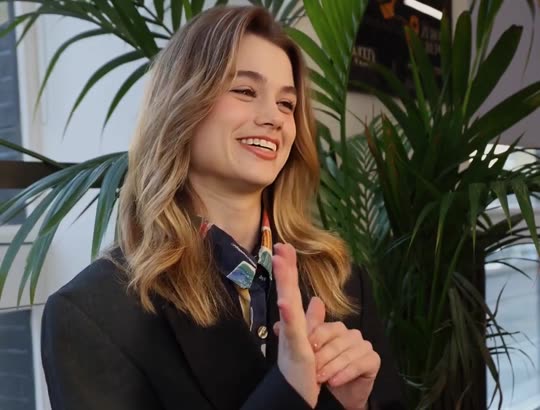
- PresenterEmilyOn a sofa
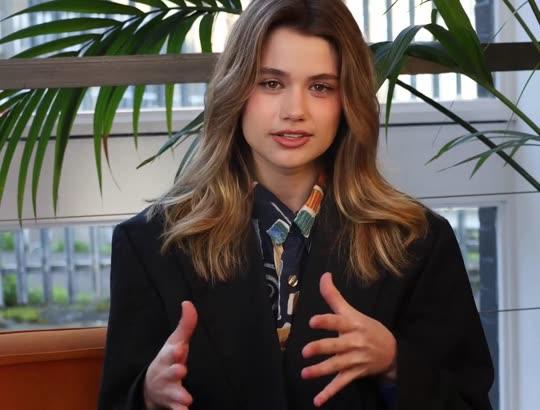
- PresenterEmily, seatedOn a sofa, side-on
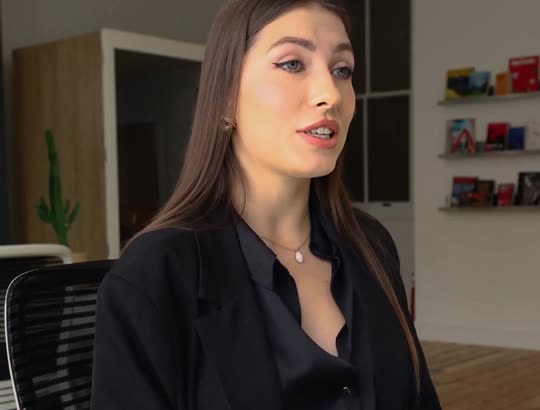
- PresenterElenaAt a desk
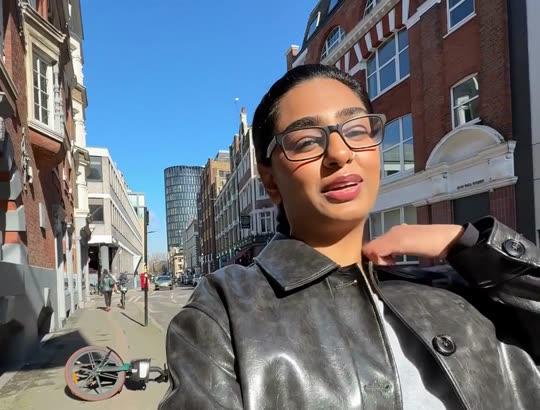
- PresenterAishaOutdoors, walking
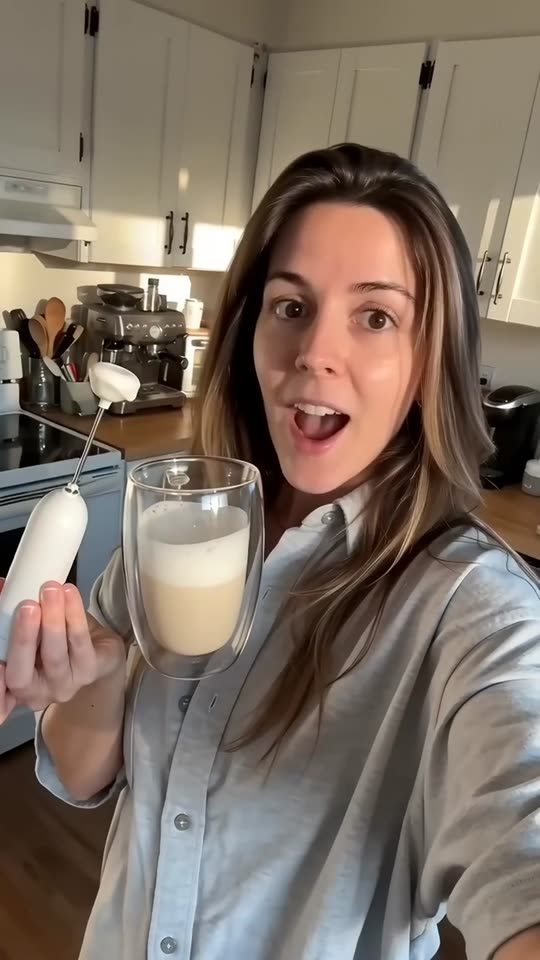
- UGCWoman at homeBright home kitchen
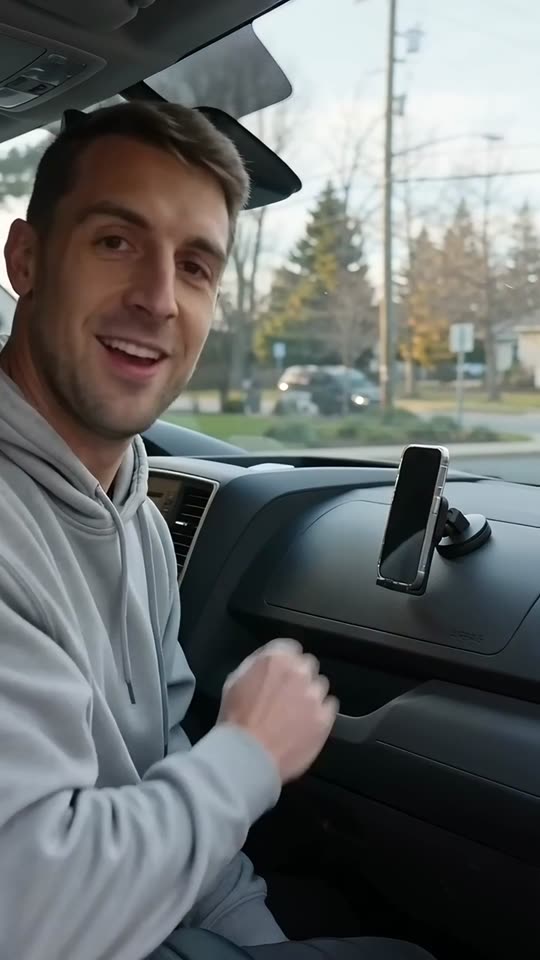
- UGCMan in his carParked car
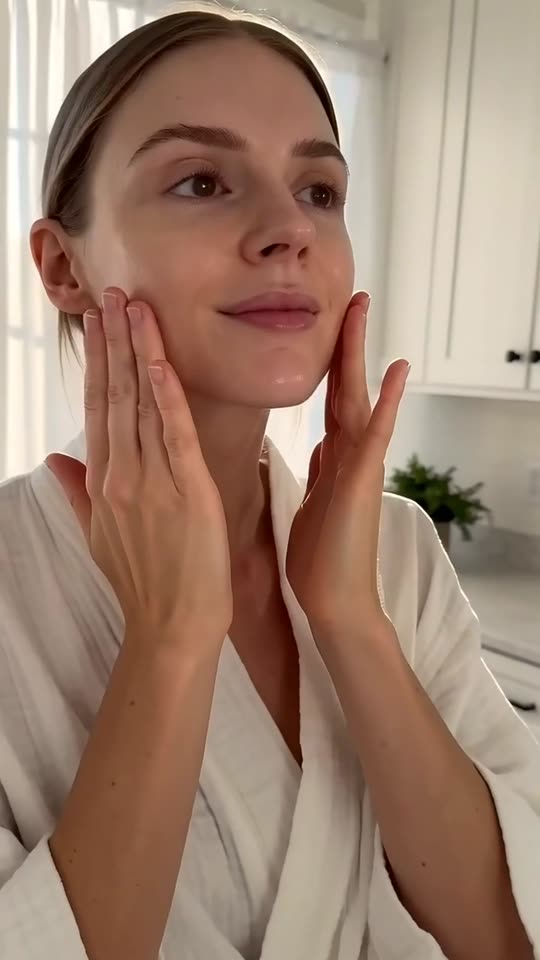
- UGCMorning routineBathroom, morning light
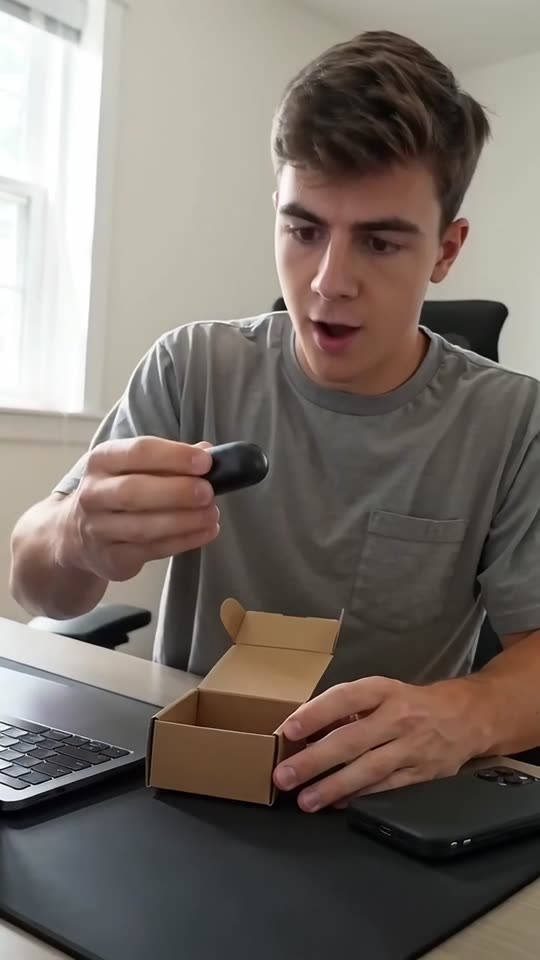
- UGCAt the deskHome desk
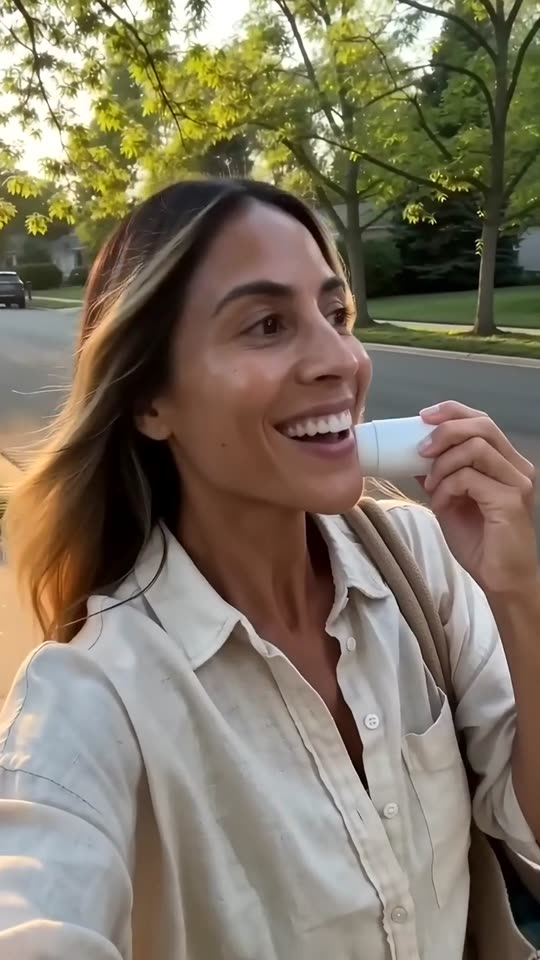
- UGCOutdoorsSunny street
- UGCOn the couchLiving-room couch

- Creator ads from Brand, $99/month
How it works
Step 1
Type your subjects, grades and rates
A subject ad, a first-session video or a test-prep push, with rates and formats exactly as you offer them.
Step 2
Check there is no score promise
No grade, score, pass or admission promise, and no qualification or school you did not type.
Step 3
Post it or run it as an ad
Publish to TikTok, Reels and Shorts from Veedio, or download the 1080p MP4 for Ads Manager.
Where to start
Pick one and it opens with the idea filled in. Change the words, then make it.
- Math tutoring ad for Plano: algebra and geometry for grades 7 to 10, one-on-one at our center or online, $60 an hour, book a first session at the link
- First-session video: a short skills check, then this week's homework, and parents get a note after every session, online tutoring for grades 3 to 8
- SAT prep ad: eight sessions, one a week, before the March test date, reading, writing and math, groups of four, Bellevue, call 425-555-0161
Pricing
Plans that grow with you
Creators on camera on Brand, Growth and Scale. Cancel any time.
Brand
$99/month
About 20 product ads a month, for one brand testing what sells.
- 3,000 credits a month
- Presenter and UGC creator ads
- 3 Auto-Mode workers for topic and feed videos
- 5 cloned voices
Growth
Recommended$199/month
About 45 product ads a month: fresh creatives every week across your channels.
- 6,200 credits a month
- Presenter and UGC creator ads
- 6 Auto-Mode workers for topic and feed videos
- 10 cloned voices
Scale
$399/month
About 90 product ads a month, for several product lines, brands or clients.
- 12,500 credits a month
- Presenter and UGC creator ads
- 15 Auto-Mode workers for topic and feed videos
- 25 cloned voices
Questions
Questions about the Tutoring Video Ads
Can the ad say our students raise their scores?
Only if you type the figure and how it was measured. The brief never adds a score, grade or improvement claim on its own, because a parent will ask what it is based on.
Can it advertise online tutoring?
Yes. Type how a remote session works, the platform you use and your hours, and it writes the ad around that.
Can it name the test we prepare students for?
Yes, in the words you type. The scenes show no test-maker’s mark and no readable question.
Will the video show my actual work?
Only what you add. Every scene is generated from its own line of the script, so it shows a job like yours — not your crew, your van or work you did — and the brief never presents a frame as your work or as a real result. One photo of your own can open the video, added in the composer.
Can it use my customers’ reviews?
The brief never invents a review, a star rating, a customer or a count of jobs done. To use a real review, type it word for word, with the customer’s permission, and the script reads it as a quote.
Can I run these as ads, or post them every week?
Yes. You own the videos on every plan and can use them commercially, paid ads included. There is no watermark on any plan, the export is 1080p, and the music beds are licensed for commercial use with no attribution. Connect TikTok, Instagram and YouTube once and publish to TikTok, Reels and Shorts from the app, on every plan. One account each on TikTok, Instagram and YouTube, three at most (Mini connects one).
What does it cost?
Plans are monthly: Mini $7 (200 credits), Starter $19 (600 credits), Pro $49 (2,000 credits), Studio $149 (7,500 credits). A five-scene short in pictures costs 13 credits; with AI motion in every scene it costs 138. You see the price before you generate, and the first payment on any plan has a 7-day money-back guarantee. Starter ($19 a month, 600 credits) covers about 46 five-scene shorts in pictures, or about 4 with AI motion in every scene.
Do I have to sign up to try this?
Yes, and pick a plan: Mini is $7 a month, and the first payment has a 7-day money-back guarantee. On a plan, the box at the top writes the script and the shot list for no credits — that is the part that decides whether the video is worth making.
Do I own the videos, and is there a watermark?
You own them, on every plan, and there is no watermark on any plan, no resolution cap and no platform withheld. Four things do follow the plan, because they are what a video costs to make: AI motion and sound effects need Starter, and a presenter avatar and the choice of video model need Pro. Everything else — every voice, every language, every caption style, every aspect ratio — is the same on all of them.
About the tool
More about the Tutoring Video Ads
What it makes
Captioned video ads for tutors and tutoring centers: the subject and grade you teach, how a first session works, the weeks before the test, with rates as you charge them and results only as you can show them.
Subjects, grades, formats and rates exactly as you offer them. Results only as you can show them: no score, grade or admission promise is added.
The subject, the first session and the weeks before the test
Parents look for a tutor when something has gone wrong, a report card, a test, a class that stopped making sense, and they want three answers: do you teach this, how does it work, and when can we start. The brief writes one of those: a subject ad for a grade and a course, a first-session video that walks the first hour, or a test-prep ad with the weeks and the format.
The first line is the hook, said with no greeting: the algebra test on Friday, the essay due in March, the note parents get after each session. One run writes one video. For course creators selling an online program, the course promo page is the closer fit; for younger children in care, the daycare page.
Results you can show, and no score promises
A tutoring ad’s strongest claim is the one most often made up: the average point increase, the student who went from a C to an A. The brief writes no grade, score, pass, admission or improvement figure unless you type it with how it was measured, and never names a school or a test date you did not type.
The FTC’s advertising guide for small business says advertising must be truthful and non-deceptive, and that a company needs a reasonable basis for every claim — proof in hand before the ad runs, not after. A test is named only as you type it, and no scene shows a test-maker’s mark or a readable question.
Generated study scenes, never a real student
Every scene is generated from its own line of the script, so it shows a job like yours — not your crew, your van or work you did — and the brief never presents a frame as your work or as a real result. One photo of your own can open the video, added in the composer. For a tutor that means a workbook on a kitchen table, a video call on a laptop, a whiteboard in a small study room, never a real student or a school anyone could name.
The brief never invents a review, a star rating, a customer or a count of jobs done. To use a real review, type it word for word, with the customer’s permission, and the script reads it as a quote. Auto-Mode is on Pro ($49 a month, 3 workers) and Studio ($149, 10 workers). Give it a topic or an RSS feed and a cadence — every day, every 2 days, every 3 days, every week — and each run writes, renders and publishes a new video to the accounts you connected.
Who it's for
Private tutors
A subject ad per course you teach, with your rate and format as you offer them.
Tutoring centers
First-session and test-prep ads for each program, one run per program.
Online tutors
Ads that show how a remote session works, for parents who have not tried one.
Agencies running local clients
A month of posts and ads for each client from one login, every script written from that client’s own services and prices, and every line read before it renders.
What this replaces
Input
The usual way: Film a session, with a student and a parent who both agree.
With Veedio: Your subjects, grades and rates, typed in one sentence.
Visuals
The usual way: Footage of real students, with permission each time.
With Veedio: Generated study scenes; one photo of your own center can open it.
Voiceover
The usual way: Book a VO artist, or record yourself and cut the breaths out.
With Veedio: Five ElevenLabs voices, re-recorded free whenever the line changes.
Captions
The usual way: Typed in an editor between sessions.
With Veedio: Every word burned in as it is spoken, the grades included.
Turnaround
The usual way: Weeks, so the test-prep ad runs after the test.
With Veedio: Minutes per video, so the ad runs while there is time to prepare.
Changing it
The usual way: Re-record the line, re-cut the timeline, re-export, re-upload.
With Veedio: Edit the line and only its voice is re-recorded, free. A new still is free too; a new motion clip is free once per video.
| The usual way | With Veedio | |
|---|---|---|
| Input | Film a session, with a student and a parent who both agree. | Your subjects, grades and rates, typed in one sentence. |
| Visuals | Footage of real students, with permission each time. | Generated study scenes; one photo of your own center can open it. |
| Voiceover | Book a VO artist, or record yourself and cut the breaths out. | Five ElevenLabs voices, re-recorded free whenever the line changes. |
| Captions | Typed in an editor between sessions. | Every word burned in as it is spoken, the grades included. |
| Turnaround | Weeks, so the test-prep ad runs after the test. | Minutes per video, so the ad runs while there is time to prepare. |
| Changing it | Re-record the line, re-cut the timeline, re-export, re-upload. | Edit the line and only its voice is re-recorded, free. A new still is free too; a new motion clip is free once per video. |
How it writes your script
For an idea like “Math tutoring ad for Plano: algebra and geometry for grades 7 to 10, one-on-one at our center or online, $60 an hour, book a first session at the link”, the script writer also gets this direction:
Write a short vertical video ad for a private tutor, tutoring center or online tutoring business, for Facebook, Instagram, TikTok and YouTube Shorts, addressed to parents and students. Work out from the user's words which angle this is and write only that one: a subject ad (the subject and grades taught, the format, the rate and how to book), a first-session video (what the first session involves, one step per scene, and what parents hear afterwards), or a test-prep ad (the test, the weeks, the format and how to sign up). If the user names none, write the subject ad. The first line is the hook: it works with the sound off and without context, and it is said in the first scene with no greeting before it. Write every line so it reads on its own as a caption. Never promise or suggest a grade, a score, a score increase, a pass, an admission or a scholarship, and never state an average improvement, unless the user typed it with how it was measured. Use only the subjects, grades, tests, test dates, formats, locations, rates, packages, group sizes, schedules, tutor names, qualifications and claims the user typed, exactly as typed. Never invent a rate, a qualification, a school, a test date, a curriculum, a result, a review, a rating, a count of students or years tutoring. Never claim the speaker taught a particular student unless the user typed it; write as the tutor or center speaking to parents. Each scene describes one vertical frame of a generic study moment like the one described: a tutor and a student at a kitchen table with an open workbook, seen from the side, a laptop on a desk with a video call open and a notebook beside it, a pencil and an eraser on a page of handwritten working out of focus, a small study room with a whiteboard, with no real school, brand, logo or test-maker mark, no readable question or answer, and no text in the frame. Never describe a generated frame as a photograph of the tutor, the center or a real student. End with the call to action the user gave, or 'Book a first session at the link' if they gave none.