Veedio for Business
Kitchen Gadget Video Ad Generator
Start posting real video ads for your product, made and posted from one place.
Who is on camera
- You, from a photoYour own face
- PresenterEmilyOn a sofa
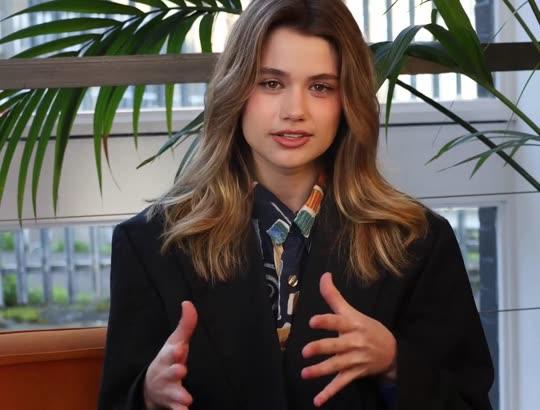
- PresenterEmily, seatedOn a sofa, side-on

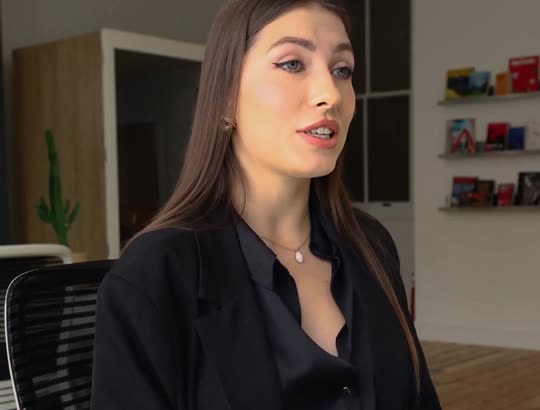
- PresenterElenaAt a desk
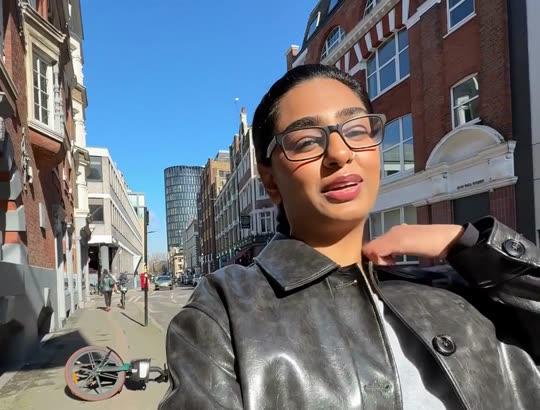
- PresenterAishaOutdoors, walking
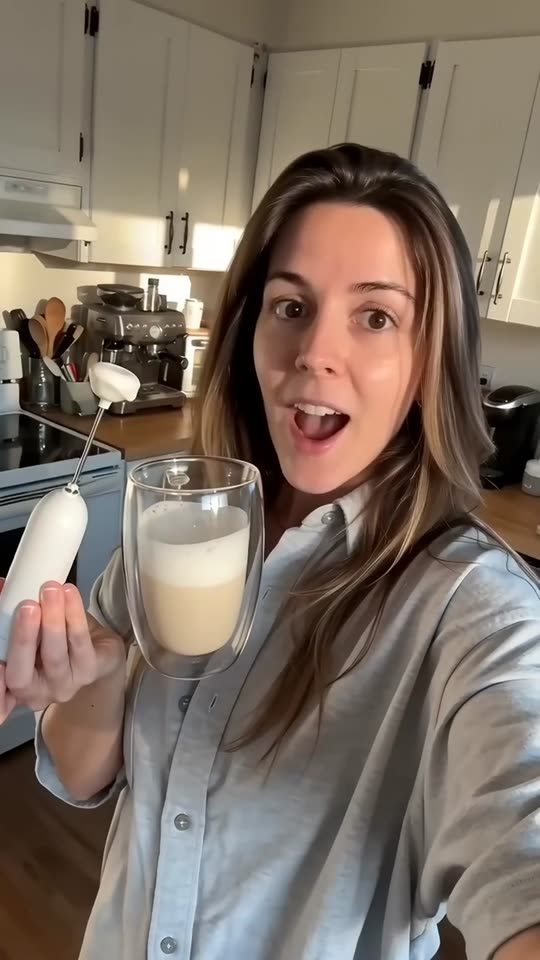
- UGCWoman at homeBright home kitchen
- UGCMan in his carParked car
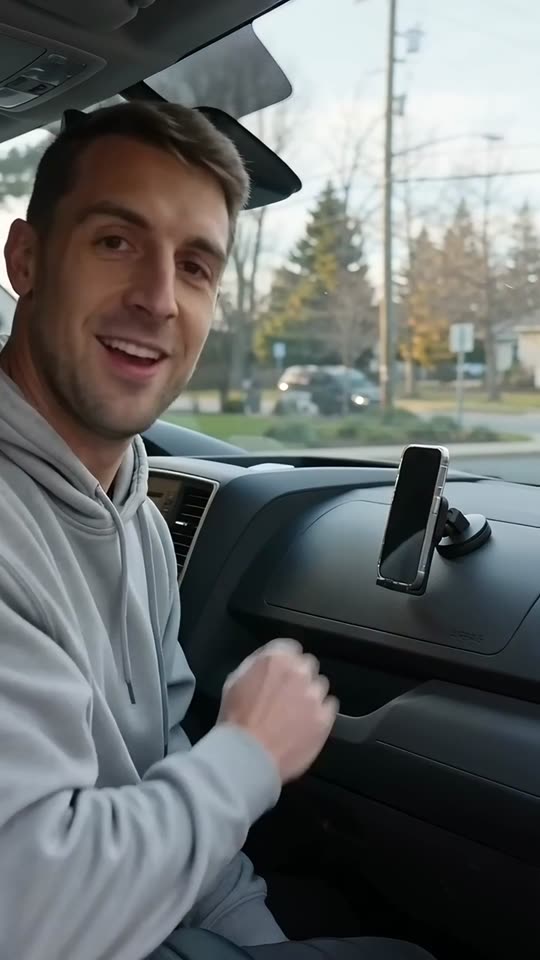
- UGCMorning routineBathroom, morning light

- UGCAt the deskHome desk
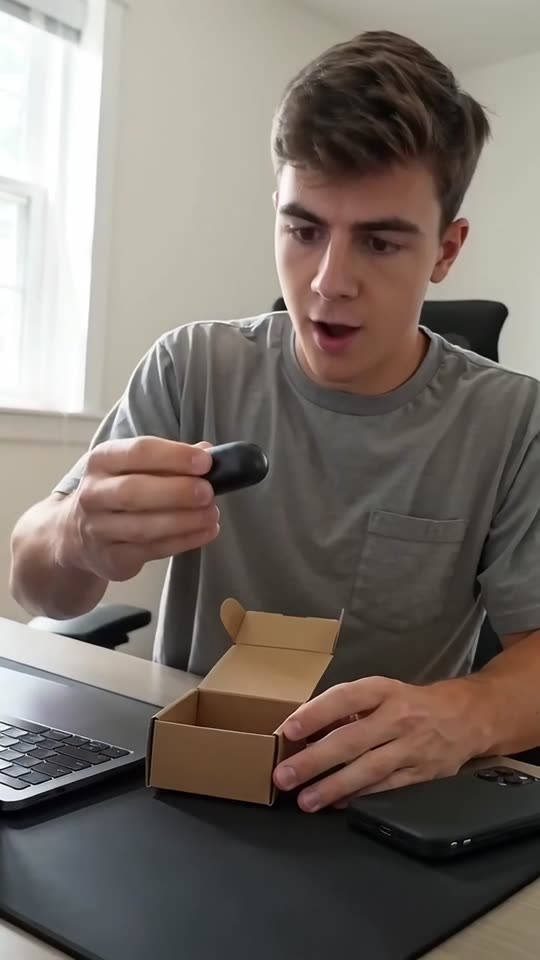
- UGCOutdoorsSunny street

- UGCOn the couchLiving-room couch

- Creator ads from Brand, $99/month
Product ads made with Veedio
“I've made my own lattes every morning for a month. This little thing paid for itself in a week.”
“I left this in my car for two days. In July. The ice is still here.”
“Okay, it's here. No way it's this small. That is the whole case.”
“Two drops, morning and night. That's the whole routine. No filter on this.”
“I started roasting in my garage because I couldn't find a decaf that tasted like anything. This is batch four hundred.”
How it works
Step 1
Type the gadget, its specs and the angle
The one-job demo, the chore it shortens, or the clutter it replaces, with materials, capacity and care exactly as listed.
Step 2
Read every spec before it renders
No invented time saved, material, dishwasher-safe, origin or discount: only what you typed, exactly as typed.
Step 3
Run it as an ad or post it
Download the 1080p MP4 for Ads Manager, or publish to TikTok, Reels and Shorts from Veedio.
Where to start
Pick one and it opens with the idea filled in. Change the words, then make it.
- One-job demo for our vegetable chopper: four blade inserts, catches everything in a 1.2-litre container, blades go in the dishwasher, $29
- Chore ad for our garlic press with a built-in scraper: stainless steel, peel-on cloves, rinses clean under the tap, $18
- Clutter ad for our stackable spice drawer organiser: holds 24 jars, expands from 11 to 22 inches, no tools to fit, $27
Pricing
Plans that grow with you
Creators on camera on Brand, Growth and Scale. Cancel any time.
Brand
$99/month
About 20 product ads a month, for one brand testing what sells.
- 3,000 credits a month
- Presenter and UGC creator ads
- 3 Auto-Mode workers for topic and feed videos
- 5 cloned voices
Growth
Recommended$199/month
About 45 product ads a month: fresh creatives every week across your channels.
- 6,200 credits a month
- Presenter and UGC creator ads
- 6 Auto-Mode workers for topic and feed videos
- 10 cloned voices
Scale
$399/month
About 90 product ads a month, for several product lines, brands or clients.
- 12,500 credits a month
- Presenter and UGC creator ads
- 15 Auto-Mode workers for topic and feed videos
- 25 cloned voices
Questions
Questions about the Kitchen Gadget Video Ad Generator
Can the ad say the gadget saves ten minutes?
Only if you type it, and only if you have timed it. The brief never adds a time saved, “in seconds” or “half the prep”, because a viewer’s kitchen and knife skills are not yours. Say what you have measured, exactly as you measured it.
Will it say my product is dishwasher safe or BPA-free?
Only if you type it. The brief adds no material, care or safety claim — dishwasher-safe, BPA-free, food-grade, stainless, non-stick — and no warranty or certification. Type the ones on your listing exactly as they appear there.
Can it say Made in USA?
Only if you type it, and only if it is true by the FTC’s standard. The FTC’s Made in USA standard says the claim means all or virtually all of the product was made in the US, so a gadget assembled here from imported parts cannot simply say it.
Will the ad show my actual gadget?
Only where you put it in. Every scene is generated from its own line of the script, so it shows a product like yours in use — not the item a customer will receive — and the brief never calls a frame a photograph of it. One photo of your own product can open the video, added in the composer. On Brand, Growth and Scale, the composer’s Product ad (UGC) option takes a photo of your product: an AI creator, or a presenter made from your own photo, is drawn holding it and talks about it to camera, and the b-roll opens on your untouched photo. It writes its own fixed UGC script from the facts you give rather than this page’s brief, and the product in the creator’s hands is an AI composite, so check it against the real thing.
Can an AI creator review the gadget?
It can demonstrate it, not review it. An AI creator talking about your product is an ad, not a customer review: the FTC’s rule on consumer reviews and testimonials bars testimonials from people who did not use the product, so never caption one as a customer, never attach a real customer’s name to it, and label it as AI-made where the platform asks.
Can I run these as paid ads on Meta and TikTok?
Yes. You own the videos on every plan and can use them commercially, paid ads included. There is no watermark on any plan, the export is 1080p, and the music beds are licensed for commercial use with no attribution. Connect TikTok, Instagram and YouTube once and publish to TikTok, Reels and Shorts from the app, on every plan. One account each on TikTok, Instagram and YouTube, three at most (Mini connects one).
What does it cost?
Plans are monthly: Mini $7 (200 credits), Starter $19 (600 credits), Pro $49 (2,000 credits), Studio $149 (7,500 credits). A five-scene short in pictures costs 13 credits; with AI motion in every scene it costs 138. You see the price before you generate, and the first payment on any plan has a 7-day money-back guarantee. Pro ($49 a month, 2,000 credits) covers about 153 five-scene shorts in pictures, or about 14 with AI motion in every scene.
Do I have to sign up to try this?
Yes, and pick a plan: Mini is $7 a month, and the first payment has a 7-day money-back guarantee. On a plan, the box at the top writes the script and the shot list for no credits — that is the part that decides whether the video is worth making.
Do I own the videos, and is there a watermark?
You own them, on every plan, and there is no watermark on any plan, no resolution cap and no platform withheld. Four things do follow the plan, because they are what a video costs to make: AI motion and sound effects need Starter, and a presenter avatar and the choice of video model need Pro. Everything else — every voice, every language, every caption style, every aspect ratio — is the same on all of them.
About the tool
More about the Kitchen Gadget Video Ad Generator
What it makes
Captioned 9:16 video ads for kitchen and home gadget brands — the one-job demo, the before-and-after of a chore, the drawer it replaces — from the specs you type, with no invented claims.
The gadget, its specs exactly as listed — materials, capacity, what is in the box, how to clean it — and an angle: the one-job demo, the chore it shortens, or the drawer clutter it replaces. It adds no time, material or origin claim you did not type.
The one-job demo, and two more gadget ad angles
A kitchen gadget is the oldest product-demo there is because the product explains itself: an onion pushed through a grid of blades, a garlic clove pressed with the peel still on, a drawer of loose spice jars turned into three tidy tiers. The ad only has to show the job and say the facts a buyer checks — what it is made of, what it holds, how it cleans. So the brief writes one of three angles: the one-job demo in three or four close moments, the chore done the slow way and then with the gadget, or the clutter it replaces.
The first line is the hook, said with no greeting and written for viewers with the sound off: the chore (“Still dicing onions by hand?”), the job (“Peel stays on. Garlic comes out.”), or the space (“Twenty-four jars, one drawer”). One run writes one video with one hook, so three angles on one gadget is three runs. For a creator demoing it to camera, the AI UGC ad generator is the closer fit; for the announcement when a new gadget goes on sale, the product launch video maker.
Gadget claims the brief never adds
What a gadget buyer acts on is a spec, so the brief uses yours exactly as typed and invents none: no time saved, no “in seconds”, no dishwasher-safe, BPA-free, food-grade or stainless, no warranty, no certification and no country of origin. The FTC’s Made in USA standard says the claim means all or virtually all of the product was made in the US, so a gadget assembled here from imported parts cannot simply say it. It writes no crossed-out price, discount, countdown, “as seen on TV”, “viral” or “sold out” unless you type it exactly, because urgency you did not type is urgency you cannot back up.
A demonstration is a claim too. The generated scenes illustrate a gadget like yours doing its job; they are not a test of your product, and the brief never presents one as proof of how it performs. If an ad’s point is a result — how fine it chops, how much it holds — film that part with the real product, or say only what you have measured. You read every line before anything renders, and this page is not legal advice.
Generated kitchen scenes and the UGC gadget ad
Every scene is generated from its own line of the script, so it shows a product like yours in use — not the item a customer will receive — and the brief never calls a frame a photograph of it. One photo of your own product can open the video, added in the composer. For gadgets that means a home kitchen counter and something like yours doing the job up close — never your packaging, a shopping-app screen or a hand near a blade.
On Brand, Growth and Scale, the composer’s Product ad (UGC) option takes a photo of your product: an AI creator, or a presenter made from your own photo, is drawn holding it and talks about it to camera, and the b-roll opens on your untouched photo. It writes its own fixed UGC script from the facts you give rather than this page’s brief, and the product in the creator’s hands is an AI composite, so check it against the real thing. An AI creator talking about your product is an ad, not a customer review: the FTC’s rule on consumer reviews and testimonials bars testimonials from people who did not use the product, so never caption one as a customer, never attach a real customer’s name to it, and label it as AI-made where the platform asks. You own the videos on every plan and can use them commercially, paid ads included. There is no watermark on any plan, the export is 1080p, and the music beds are licensed for commercial use with no attribution.
Who it's for
Kitchen and home gadget brands
A demo ad for every product in the range, written from the listing, so the whole catalogue has video and not just the best seller.
Small-appliance sellers
The chore, the appliance and the clean-up in a captioned 9:16 ad, with capacity and settings exactly as listed.
Performance marketers
A one-job demo, a chore ad and a clutter ad for the same gadget in an afternoon, ready to test against each other.
Agencies and freelancers
A run of ads for several client brands from one login, each brief written from the client’s own product sheet. Veedio posts to one connected account per platform, so each client’s own channel gets the downloaded MP4.
What this replaces
Input
The usual way: A kitchen set, a food stylist and a shot list per gadget.
With Veedio: The gadget, its specs and the angle, typed in one sentence.
Visuals
The usual way: Close-ups of the gadget at work, shot and reshot until the cut is clean.
With Veedio: Generated close-ups of a gadget like yours at work; one photo of your own can open it.
Voiceover
The usual way: Book a VO artist, or record yourself and cut the breaths out.
With Veedio: Five ElevenLabs voices, re-recorded free whenever the line changes.
Captions
The usual way: Typed in an editor for every version of the demo.
With Veedio: Every word burned in as it is spoken, for the sound-off scroll.
Turnaround
The usual way: A shoot day per few products, so most of the range never gets an ad.
With Veedio: Minutes per gadget, so every product in the range can have one.
Changing it
The usual way: Re-record the line, re-cut the timeline, re-export, re-upload.
With Veedio: Edit the line and only its voice is re-recorded, free. A new still is free too; a new motion clip is free once per video.
| The usual way | With Veedio | |
|---|---|---|
| Input | A kitchen set, a food stylist and a shot list per gadget. | The gadget, its specs and the angle, typed in one sentence. |
| Visuals | Close-ups of the gadget at work, shot and reshot until the cut is clean. | Generated close-ups of a gadget like yours at work; one photo of your own can open it. |
| Voiceover | Book a VO artist, or record yourself and cut the breaths out. | Five ElevenLabs voices, re-recorded free whenever the line changes. |
| Captions | Typed in an editor for every version of the demo. | Every word burned in as it is spoken, for the sound-off scroll. |
| Turnaround | A shoot day per few products, so most of the range never gets an ad. | Minutes per gadget, so every product in the range can have one. |
| Changing it | Re-record the line, re-cut the timeline, re-export, re-upload. | Edit the line and only its voice is re-recorded, free. A new still is free too; a new motion clip is free once per video. |
How it writes your script
For an idea like “One-job demo for our vegetable chopper: four blade inserts, catches everything in a 1.2-litre container, blades go in the dishwasher, $29”, the script writer also gets this direction:
Write a short vertical video ad for a kitchen tool, small appliance or home gadget, for a brand to run on TikTok, Instagram Reels and Meta. Work out from the user's words which angle this is and write only that one: a one-job demo (the gadget doing its single job in three or four close, concrete moments, one per scene), a chore ad (the slow, messy way first, then the same task with the gadget, then how it is cleaned), or a clutter ad (the drawer or counter it replaces, the gadget in place, what it holds). If the user names none, write the one-job demo. The first line is the hook: it works with the sound off and without context, and it is said in the first scene with no greeting before it. Write every line so it reads on its own as a caption. Use only the product name, materials, capacities, sizes, attachments, cleaning instructions, prices and claims the user typed, exactly as typed. Never invent a time it takes or saves ('in seconds', 'cuts prep time in half'), a dishwasher-safe, BPA-free, food-grade, non-stick, stainless or heavy-duty claim, a warranty, a 'Made in USA' or any country of origin, a safety certification, a study, a percentage, a review, a rating, a sales count, an award, 'as seen on TV' or a 'viral' or 'sold out' line. Never write a crossed-out price, a discount, a countdown or a 'limited time' unless the user typed it exactly. Never claim the speaker bought or uses the gadget unless the user typed it; write as a narrator showing the product, not as a customer. Each scene describes one vertical frame of a generic gadget like the one described doing its job on a home kitchen counter — an onion pushed through a grid of blades, a clove pressed in a steel press, jars sliding into a tiered drawer — with no real brand, logo, packaging text or shopping-app screen, no text in the frame, and no hands near a blade edge. Never describe a generated frame as a photograph of the actual product, or as a test or proof of how it performs. End with the call to action the user gave, or 'Find it at the link' if they gave none.