Veedio for Business
Pet Product Video Ad Generator
Start posting real video ads for your product, made and posted from one place.
Who is on camera
- You, from a photoYour own face
- PresenterEmilyOn a sofa
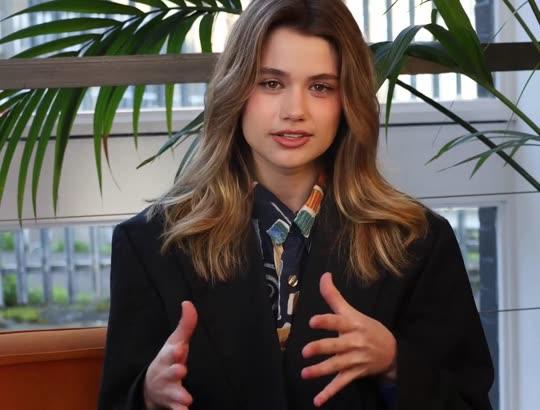
- PresenterEmily, seatedOn a sofa, side-on

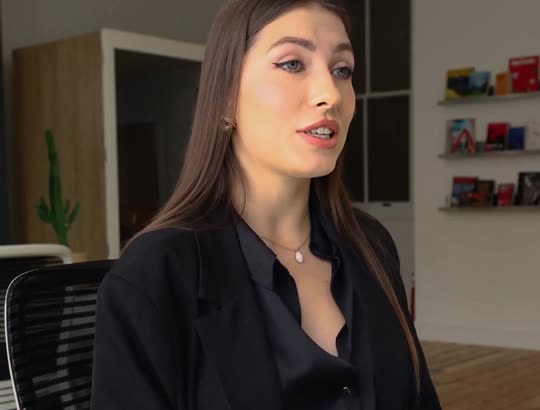
- PresenterElenaAt a desk
- PresenterAishaOutdoors, walking

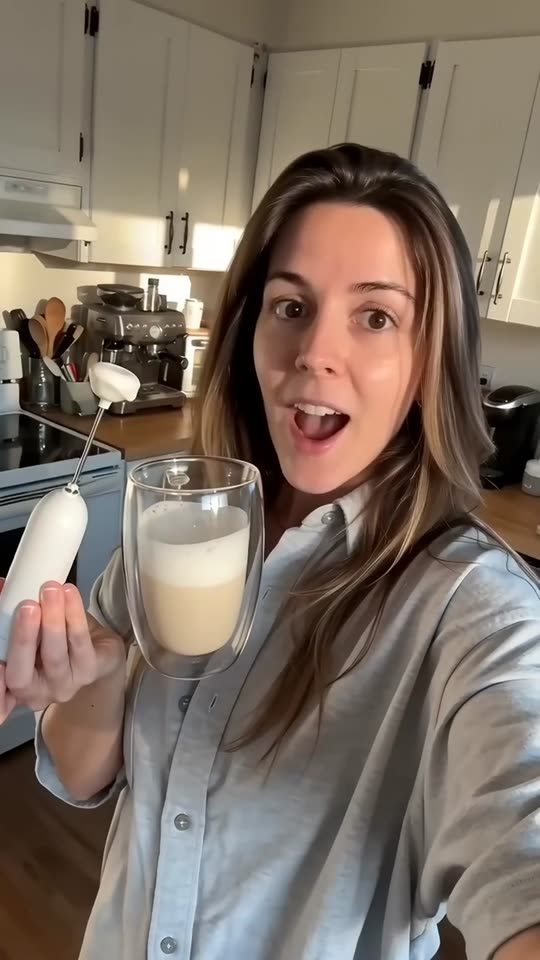
- UGCWoman at homeBright home kitchen
- UGCMan in his carParked car

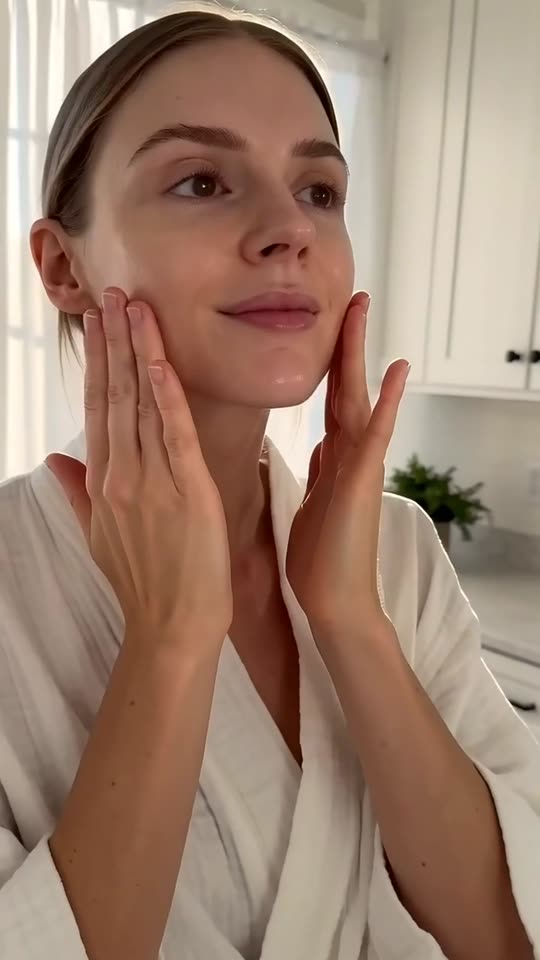
- UGCMorning routineBathroom, morning light
- UGCAt the deskHome desk
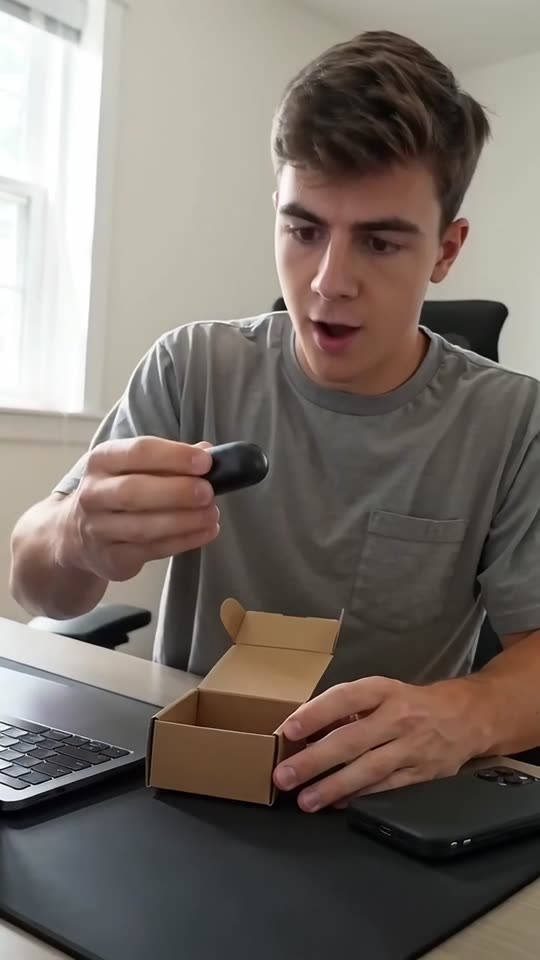
- UGCOutdoorsSunny street

- UGCOn the couchLiving-room couch

- Creator ads from Brand, $99/month
Product ads made with Veedio
“I left this in my car for two days. In July. The ice is still here.”
“I've made my own lattes every morning for a month. This little thing paid for itself in a week.”
“Okay, it's here. No way it's this small. That is the whole case.”
“Two drops, morning and night. That's the whole routine. No filter on this.”
“I started roasting in my garage because I couldn't find a decaf that tasted like anything. This is batch four hundred.”
How it works
Step 1
Type the product, its facts and the angle
The pet’s first go with it, the owner’s problem it solves, or how it works, with the size, material and care exactly as listed.
Step 2
Read every line before it renders
No health or calming claim, no vet, no “indestructible”, and nothing about what a pet feels beyond what a viewer can see.
Step 3
Run it as an ad or post it
Download the 1080p MP4 for Ads Manager, or publish to TikTok, Reels and Shorts from Veedio.
Where to start
Pick one and it opens with the idea filled in. Change the words, then make it.
- Reaction ad for our snuffle mat for dogs: machine washable, 18 by 24 inches, hides kibble in fleece strips, $32
- Problem-solution ad for our slow feeder bowl for fast eaters: ridged maze inside, non-slip base, dishwasher safe, two sizes, $19
- How-it-works ad for our self-grooming corner brush for cats: mounts on a wall corner with the included tape, soft bristles, $14
Pricing
Plans that grow with you
Creators on camera on Brand, Growth and Scale. Cancel any time.
Brand
$99/month
About 20 product ads a month, for one brand testing what sells.
- 3,000 credits a month
- Presenter and UGC creator ads
- 3 Auto-Mode workers for topic and feed videos
- 5 cloned voices
Growth
Recommended$199/month
About 45 product ads a month: fresh creatives every week across your channels.
- 6,200 credits a month
- Presenter and UGC creator ads
- 6 Auto-Mode workers for topic and feed videos
- 10 cloned voices
Scale
$399/month
About 90 product ads a month, for several product lines, brands or clients.
- 12,500 credits a month
- Presenter and UGC creator ads
- 15 Auto-Mode workers for topic and feed videos
- 25 cloned voices
Questions
Questions about the Pet Product Video Ad Generator
Can the ad say my product calms an anxious dog?
No. The brief never says or suggests a product calms anxiety, eases joints, cleans teeth or helps any health condition, even if you type it, and invents no vet or trainer recommendation. Claims like that are for your own review with the evidence behind them.
What about treats and food?
The FDA regulates pet food much as it does other animal food and reviews specific claims made for it, and diets meant to treat or prevent disease fall under a separate FDA compliance policy — so a treat, chew or food ad describes the product, not a cure. The brief uses only the ingredients, flavours and feeding information you type, exactly as typed, and invents no feeding amount or age range.
Will the ad show my actual product, or my own pet?
Neither, unless you put them in. Every scene is generated from its own line of the script, so it shows a product like yours in use — not the item a customer will receive — and the brief never calls a frame a photograph of it. One photo of your own product can open the video, added in the composer. On Brand, Growth and Scale, the composer’s Product ad (UGC) option takes a photo of your product: an AI creator, or a presenter made from your own photo, is drawn holding it and talks about it to camera, and the b-roll opens on your untouched photo. It writes its own fixed UGC script from the facts you give rather than this page’s brief, and the product in the creator’s hands is an AI composite, so check it against the real thing.
Can it call a toy indestructible?
Only if you type that word, and it is worth thinking twice: an owner will test it. The brief never adds indestructible, chew-proof, non-toxic or safe for all pets on its own, and a toy or chew ad ends with a line to supervise the pet unless you give your own.
Can an AI creator say their dog loves it?
No. An AI creator talking about your product is an ad, not a customer review: the FTC’s rule on consumer reviews and testimonials bars testimonials from people who did not use the product, so never caption one as a customer, never attach a real customer’s name to it, and label it as AI-made where the platform asks. Give the UGC script what the product is and how it works, not a pet’s verdict.
Can I run these as paid ads on Meta and TikTok?
Yes. You own the videos on every plan and can use them commercially, paid ads included. There is no watermark on any plan, the export is 1080p, and the music beds are licensed for commercial use with no attribution. Connect TikTok, Instagram and YouTube once and publish to TikTok, Reels and Shorts from the app, on every plan. One account each on TikTok, Instagram and YouTube, three at most (Mini connects one).
What does it cost?
Plans are monthly: Mini $7 (200 credits), Starter $19 (600 credits), Pro $49 (2,000 credits), Studio $149 (7,500 credits). A five-scene short in pictures costs 13 credits; with AI motion in every scene it costs 138. You see the price before you generate, and the first payment on any plan has a 7-day money-back guarantee. Pro ($49 a month, 2,000 credits) covers about 153 five-scene shorts in pictures, or about 14 with AI motion in every scene.
Do I have to sign up to try this?
Yes, and pick a plan: Mini is $7 a month, and the first payment has a 7-day money-back guarantee. On a plan, the box at the top writes the script and the shot list for no credits — that is the part that decides whether the video is worth making.
Do I own the videos, and is there a watermark?
You own them, on every plan, and there is no watermark on any plan, no resolution cap and no platform withheld. Four things do follow the plan, because they are what a video costs to make: AI motion and sound effects need Starter, and a presenter avatar and the choice of video model need Pro. Everything else — every voice, every language, every caption style, every aspect ratio — is the same on all of them.
About the tool
More about the Pet Product Video Ad Generator
What it makes
Captioned 9:16 video ads for pet brands — toys, beds, feeders, grooming and treats — built on the moment a pet uses the product, from the facts you type, with no health claims.
The product, the facts on its listing — size, material, which pets it is for, how to clean it — and an angle: the pet’s first go with it, the owner’s problem it solves, or how it works. It makes no health or vet claim.
Pet product ads built on the pet’s moment
The pet product ads people share are the ones where the pet does the selling: a dog burying its nose in a snuffle mat, a cat finding a corner brush and leaning in, a fast eater slowed down by a maze bowl. An owner watching recognises their own animal in it, and the product is the reason the moment happens. So the brief writes one of three angles: the reaction, told as what a viewer can see, one moment per scene; the owner’s everyday problem with the product as the fix; or how it works, from setup to cleaning.
The first line is the hook, said before anything else and built for the sound-off scroll: the problem (“Does your dog finish dinner in ten seconds?”), the moment (“First sniff”), or the fact that makes the product different. Each run writes one video with one hook, so testing three angles is three runs. For a creator holding the product to camera, the AI UGC ad generator is the closer fit; for paid creative written to TikTok’s ad formats, the AI TikTok ad generator.
Pet product claims an ad cannot make for you
The FDA regulates pet food much as it does other animal food and reviews specific claims made for it, and diets meant to treat or prevent disease fall under a separate FDA compliance policy — so a treat, chew or food ad describes the product, not a cure. The same caution holds for toys, beds and calming products: the brief never says a product calms anxiety, eases joints, cleans teeth, stops itching or helps any condition, even if you type it, and invents no vet, trainer, study or review. It never calls a toy indestructible, chew-proof or non-toxic unless you type the word, because an owner will test it.
The FTC’s Health Products Compliance Guidance says health claims need competent and reliable scientific evidence, that an advertiser answers for what an ad implies as well as what it says, and that a testimonial showing results most people will not get is likely deceptive — “results not typical” does not fix it. A pet cannot say what it feels, so the brief describes only what a viewer can see — it sniffs, digs, settles, comes back to it — and a toy or chew ad ends on a line to supervise the pet unless you give your own. You read every line before anything renders, and this page is not legal or veterinary advice.
Generated pet scenes and the UGC pet product ad
Every scene is generated from its own line of the script, so it shows a product like yours in use — not the item a customer will receive — and the brief never calls a frame a photograph of it. One photo of your own product can open the video, added in the composer. For pet products that means a generic dog or cat using something like yours, calmly, at home — never an animal that looks unwell, a vet clinic, or a pet anyone would recognise from the internet.
On Brand, Growth and Scale, the composer’s Product ad (UGC) option takes a photo of your product: an AI creator, or a presenter made from your own photo, is drawn holding it and talks about it to camera, and the b-roll opens on your untouched photo. It writes its own fixed UGC script from the facts you give rather than this page’s brief, and the product in the creator’s hands is an AI composite, so check it against the real thing. An AI creator talking about your product is an ad, not a customer review: the FTC’s rule on consumer reviews and testimonials bars testimonials from people who did not use the product, so never caption one as a customer, never attach a real customer’s name to it, and label it as AI-made where the platform asks. You own the videos on every plan and can use them commercially, paid ads included. There is no watermark on any plan, the export is 1080p, and the music beds are licensed for commercial use with no attribution.
Who it's for
Pet brands selling direct
An ad for every toy, bed and bowl in the range, from the listing you already wrote, with the pet’s moment at the centre.
Treat and food brands
Ads that describe the treat — size, flavour, ingredients as typed — and leave every health claim to your own review.
Performance marketers
A reaction, a problem-solution and a how-it-works ad for the same product, one hook each, ready to test.
Agencies and freelancers
A run of ads for several client brands from one login, each brief written from the client’s own product sheet. Veedio posts to one connected account per platform, so each client’s own channel gets the downloaded MP4.
What this replaces
Input
The usual way: Find a pet that will perform on cue, then a free afternoon to film it.
With Veedio: The product, its facts and the angle, typed in one sentence.
Visuals
The usual way: Hours of footage for the few seconds the pet actually uses the product.
With Veedio: Generated scenes of a pet using a product like yours; one photo of your own can open it.
Voiceover
The usual way: Book a VO artist, or record yourself and cut the breaths out.
With Veedio: Five ElevenLabs voices, re-recorded free whenever the line changes.
Captions
The usual way: Added by hand in an editor, for every cut of the ad.
With Veedio: Every word burned in as it is spoken, for the sound-off scroll.
Turnaround
The usual way: As long as the pet takes to cooperate, then the edit.
With Veedio: Minutes per variation, with no animal on set.
Changing it
The usual way: Re-record the line, re-cut the timeline, re-export, re-upload.
With Veedio: Edit the line and only its voice is re-recorded, free. A new still is free too; a new motion clip is free once per video.
| The usual way | With Veedio | |
|---|---|---|
| Input | Find a pet that will perform on cue, then a free afternoon to film it. | The product, its facts and the angle, typed in one sentence. |
| Visuals | Hours of footage for the few seconds the pet actually uses the product. | Generated scenes of a pet using a product like yours; one photo of your own can open it. |
| Voiceover | Book a VO artist, or record yourself and cut the breaths out. | Five ElevenLabs voices, re-recorded free whenever the line changes. |
| Captions | Added by hand in an editor, for every cut of the ad. | Every word burned in as it is spoken, for the sound-off scroll. |
| Turnaround | As long as the pet takes to cooperate, then the edit. | Minutes per variation, with no animal on set. |
| Changing it | Re-record the line, re-cut the timeline, re-export, re-upload. | Edit the line and only its voice is re-recorded, free. A new still is free too; a new motion clip is free once per video. |
How it writes your script
For an idea like “Reaction ad for our snuffle mat for dogs: machine washable, 18 by 24 inches, hides kibble in fleece strips, $32”, the script writer also gets this direction:
Write a short vertical video ad for a pet product — a toy, bed, feeder, bowl, grooming tool, accessory or treat — for a brand to run on TikTok, Instagram Reels and Meta. Work out from the user's words which angle this is and write only that one: a reaction ad (the pet's first go with the product, told as what the viewer sees, one moment per scene), a problem-solution ad (the everyday owner problem in the first scene, the product as the fix, then up to three facts), or a how-it-works ad (what it is, how it is set up and used, how it is cleaned). If the user names none, write the reaction ad. The first line is the hook: it works with the sound off and without context, and it is said in the first scene with no greeting before it. Write every line so it reads on its own as a caption. Use only the product name, sizes, materials, species, ages, flavours, ingredients, cleaning instructions, prices and claims the user typed, exactly as typed. Never say or suggest the product treats, cures, calms, prevents or relieves any health condition, anxiety, allergy, itching, joint pain, dental disease or digestive problem, even if the user typed it; leave such a claim out. Never invent a vet or trainer recommendation, a study, a percentage, a review, a rating, a sales count, an award, a 'non-toxic', 'chew-proof', 'indestructible', 'safe for all pets', 'natural' or 'grain-free' label, a feeding amount or an age range the user did not type. Never say what a pet thinks or feels beyond what can be seen — it sniffs, digs, settles, comes back to it. If the product is a toy or a chew, end with 'Always supervise your pet with a new toy' unless the user typed their own safety line. Never claim the speaker owns the pet or bought the product unless the user typed it; write as a narrator showing the product, not as a customer. Each scene describes one vertical frame of a generic product like the one described, with a generic dog or cat using it calmly in a home — nose in a fleece mat in a living room, a cat rubbing on a corner brush, a bowl on a kitchen floor — with no real brand, logo or packaging text, no text in the frame, no injured or unwell animal, and no real breed show, vet clinic or famous pet. Never describe a generated frame as a photograph of the actual product. End with the call to action the user gave, or 'Find it at the link' if they gave none.